First solar charged train

UNESCO heritage Himalayan Queen train from Kalka to Shimla in northern India has become the first train in the world to adopt solar PV panels.

200 W PV modules were fixed on the roof of each of its seven coaches. The generated energy is stored in 2×65 AH Sealed Maintenance Free Tubular 24 V batteries. The engineering marvel took almost a year of trial before being finalized.

The generated energy is used to operate the train. The load drives seven numbers of 6 W LED lights in each of the coaches, besides provision for charging mobile phones during the five-hour journey.

With the PV system and energy efficient lighting in place, a 3 KW alternator, flat belts, regulator rectifier unit, axle pulleys, alternator pulleys and flooded batteries were removed from the underframe of the coach. Thus, they were made more lightweight and speed was increased.

However “dynamic coach balancing”, which was of paramount importance, was a challenge that was successfully mastered by the engineers.

Tata AirPod powers up with compressed air

Gas powered cars might have been the best way to get around in the past but with the dawn of alternative energy sources, fossil fuels could pretty much turn obsolete, paving the way for greener and more eco-friendly cars like this new development by Tata.

Barely a looker though sincerely green at heart, the AirPod powers up with nothing but air!

Using compressed air to its advantage, this three-wheeled one-seat ride from the Indian car manufacturers stables is capable of touching speeds of up to 43 miles per hour and packs a tank full of compressed air on board that requires refilling.

Also, the AirPod sports an electric engine that can alternatively be used to pump in air from the outdoors, which in turn is powered by regenerative breaking.

A development that could change the way we travel forever, the tiny AirPod is bound to grab tons of attention.

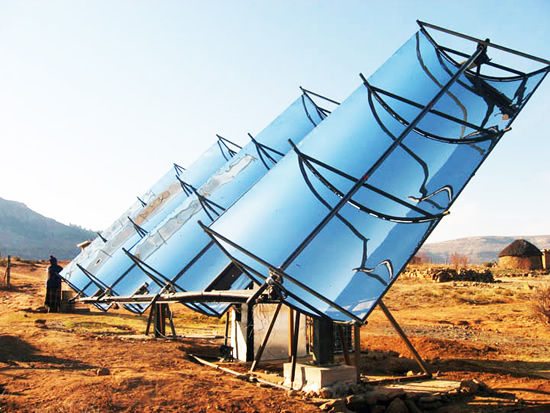
Solar ORC systems providing hot water and electricity in Africa seted up by STG International

Electricity isn’t really an energy source that can be yet be taken for granted in certain isolated parts of Africa where more often than not, a regular supply is considered a luxury.

STG International, an MIT non-profit has come up with a feasible way to power up clinics and schools in such parts of Africa using alternative energy sources instead of complete grid reliance.

Using a new hybrid power and heat solar system that’s capable of providing electricity, hot water and space heating, STG International is currently drawing plans to set up five such units in Africa.

With MIT graduate PHDs Matthew Orosz and Amy Mueller leading the way, these units will be tested for viability and will use ORC Engine instead of solar electric panels.

Capable of providing up to 18-24kW-hr of energy and 200-300 gallons of hot water daily, this system could prove to be a boon for rural development, not just in Africa but also other far-flung areas disconnected from the grid around the globe.